Emergency
Emergency and Disaster-Response Housing: Deploying Beds in Days, Not Months
How agencies and contractors stage certified beds for hurricanes, wildfires, floods and utility restoration, and why lead time, not price, is the variable that matters in the first 72 hours.
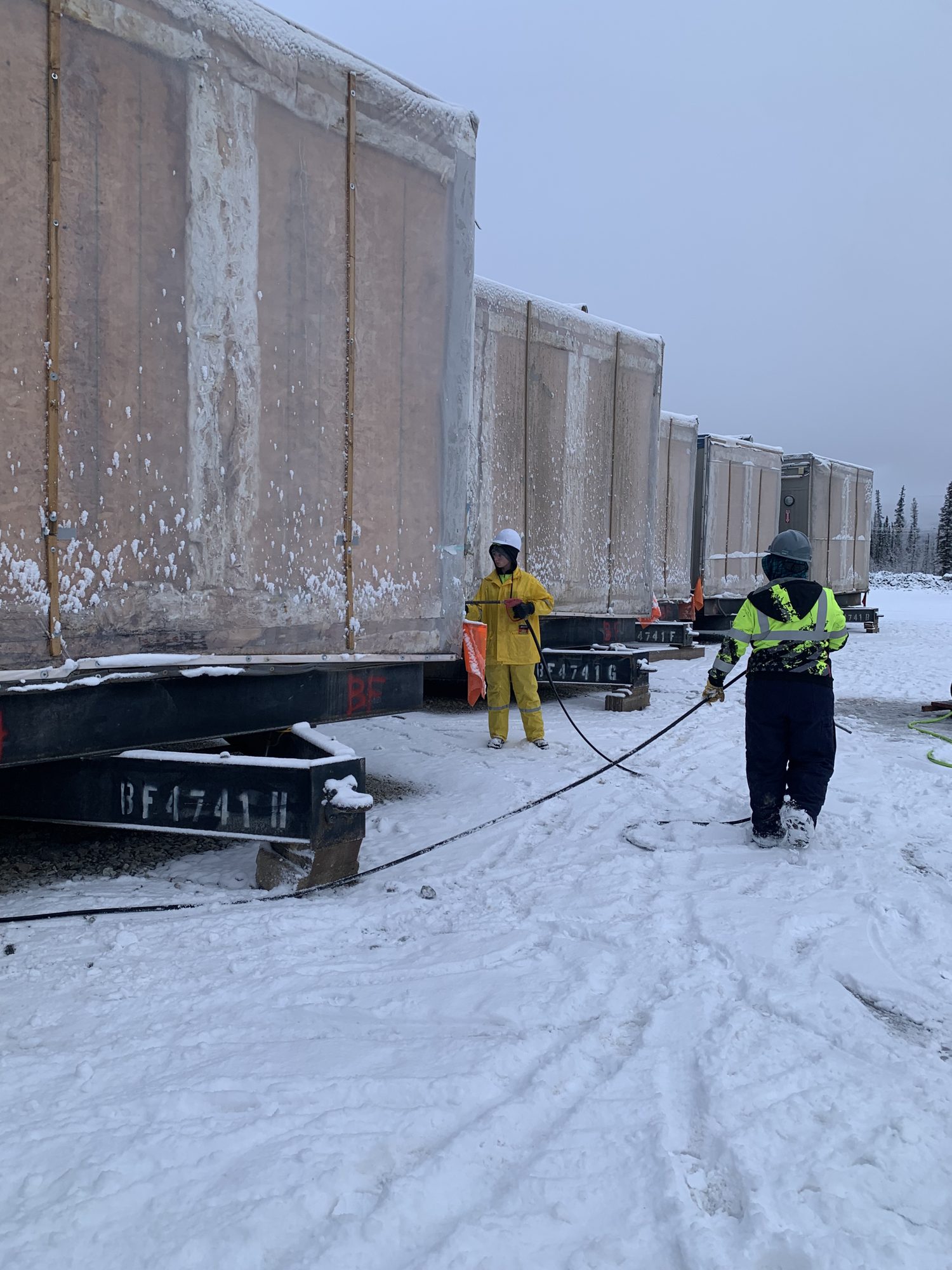
When a hurricane takes out a coastal county or a wildfire displaces a town, the housing question arrives in hours and the answer usually takes months. That gap is where restoration schedules and community recovery both break down.
The constraint is almost never money. It is availability of certified, inspected, ready-to-ship beds.
Why the standard supply chain fails in an emergency
Order a purpose-built modular camp and you enter a manufacturing queue. Even in a normal market, that means 20 to 40 weeks to engineering, production slot, build and certification. After a major event, the queue gets worse, because every affected agency and contractor is calling the same handful of plants in the same week.
Meanwhile:
- Restoration crews and mutual-aid utility teams sleep in trucks or drive three hours each way from the nearest intact hotel.
- Displaced residents fill whatever hotel stock survived, which removes it from the workforce pool.
- Response contractors bid the job with a housing plan they cannot actually execute, and the schedule slips before the first pole is set.
The only supply that can respond on an emergency timeline is inventory that already exists, already carries certification, and is already staged.
What "ready" actually requires
A pallet of beds in a warehouse is not readiness. Deployable emergency housing means all of the following are already true before the event:
- Built and finished. Not a production slot, but a physical, complete unit sitting in a yard.
- Certified in advance. Third-party inspected with a data plate, and labelled for multiple jurisdictions so the approval path is short wherever it lands. Our inventory carries South Dakota, Montana, Texas, Alberta, NTA and IBC.
- Transport ready. Blocked, braced and loadable, with dimensions and weights already documented for permit applications.
- Climate capable. Arctic-grade insulation with real HVAC and complete electrical, so the same units serve a February ice storm in the upper Midwest and an August restoration on the Gulf Coast.
- Complete as a camp. Beds alone do not house a response. You need kitchen and dining, laundry, an office and infirmary, and controlled access at the gate.
That combination is what makes a 24-hour ship lead time a real number instead of a marketing claim.
Realistic deployment timeline
For a rapid deployment onto a prepared or semi-prepared site:
- Day 0: headcount, site location and jurisdiction confirmed. Units allocated.
- Day 1: transport permits filed, first loads leave the yard.
- Days 2–5: transit, depending on distance. Regional deliveries land inside 48 hours.
- Days 3–8: crane set, leveling, corridor connection, utility tie-in.
- Days 6–12: commissioning, inspection and occupancy for the first blocks.
Phasing matters here more than anywhere else. Set and commission the first dorm block and the kitchen while later loads are still in transit. Crews start sleeping onsite in the first week rather than waiting for the full camp.
Site options when there is no pad
Emergency deployments rarely get a purpose-built gravel pad. Workable alternatives, in rough order of preference:
- Existing paved lots: fairgrounds, closed retail, airport aprons, industrial yards.
- Compacted gravel yards already used for laydown or equipment storage.
- Athletic fields with temporary matting to protect the surface and spread load.
- Rapid gravel placement over geotextile on a graded field.
In every case you still need a stamped anchorage design, a documented bearing surface, and drainage away from the buildings. Cutting those corners is how a camp becomes an incident.
Buying ahead of the event
The agencies and contractors that handle this well do not shop after landfall. They pre-position:
- Standing lease agreements that convert to a deployment order on notice, with pricing and transport terms already negotiated.
- Pre-identified staging sites in each region of responsibility, with site plans and utility capacity already documented.
- Pre-approved anchorage designs for the jurisdictions they operate in.
- Owned inventory where the mission is recurring (wildland fire, hurricane season, utility restoration), because the asset is relocatable and resalable rather than a one-time expense.
The same asset serves planned work
Emergency capability and planned industrial housing are the same inventory. A camp that can stage 550 beds for a hurricane response is the same camp that houses a pipeline spread, a mine expansion or a data center buildout. That dual use is exactly what makes pre-positioning financially defensible: the asset earns during planned projects and stands ready for the unplanned ones.
If you are responsible for a response plan, the question to answer before the season starts is simple: where are your beds today, and how many hours from an order to a truck?
Next step
Get pricing on 404 new, unused beds
Send your headcount, site and timeline. You get purchase and lease pricing plus a camp layout, usually the same day.
- Response time
- Within 1 business day
- Ship lead time
- 24 hours