Economics
Man Camp vs. Hotel Rooms: The Real Cost of Housing a 500-Person Crew
Hotels and per diem run $120–$250 per worker per day. Modular onsite housing runs $40–$80. Here is the full arithmetic for a 500-person crew, including turnover and residual value.
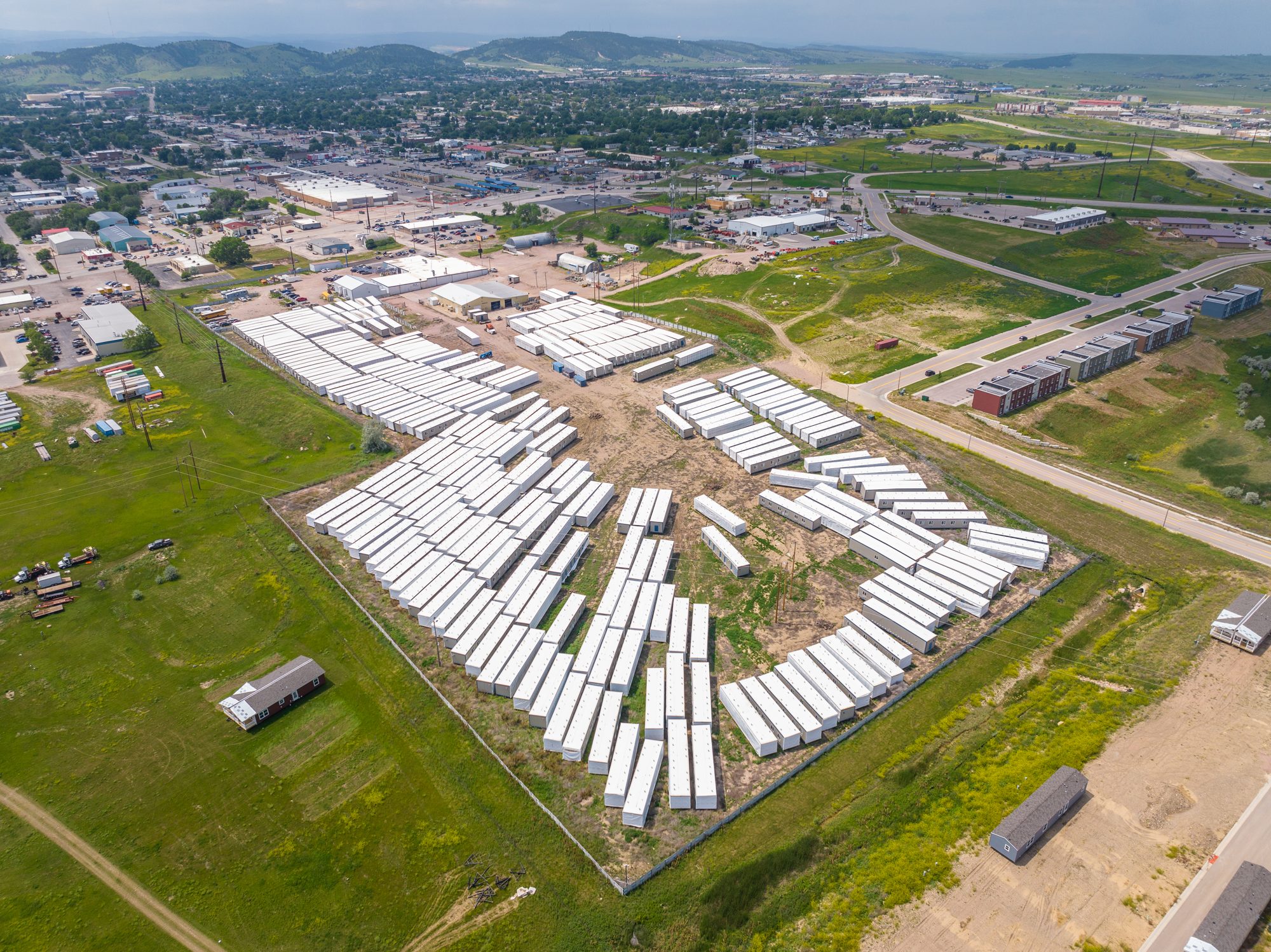
Most project teams compare housing options on a single number: the nightly rate. That number is the smallest part of the decision, and it is usually the only one that gets into the budget spreadsheet. Here is what the full comparison looks like when you house 500 workers for 18 months.
The nightly rate is only the first line
According to our 2026 industry analysis, hotel and per-diem arrangements run $120 to $250 per worker per day once you include the room, the meal per diem and the mileage or vehicle cost of getting people to the gate. Modular onsite housing lands at $40 to $80 per worker per day, catering included.
Take the conservative end of both ranges. At $120 per day, 500 workers cost $60,000 a day, or roughly $21.9 million a year. At $60 per day, the same crew costs $30,000 a day, or $10.95 million a year. The delta on an 18-month project is about $16 million.
That gap exists before you count a single hour of windshield time.
The commute is a schedule risk, not a comfort issue
On a major remote project the average distance from site to the nearest city is 180 miles. Even at a more typical 60 miles, a crew driving an hour each way is losing ten hours a week per worker to the road. You are paying for that time in one of two ways: as overtime, or as a shorter productive shift.
There is a safety cost too. Fatigued driving on rural two-lane roads at shift change is one of the most reliable ways to turn a good safety record into an incident report. Every insurance underwriter who has priced a remote project knows this.
A worker who sleeps badly, eats badly, and drives 2 hours each way is not the same worker.
Turnover is where the money actually leaks
Projects without onsite housing run 35% to 50% annual turnover. Projects with it run 15% to 25%.
Replacing a skilled trade worker on a remote project is not a $2,000 recruiting fee. It is the fee plus onboarding, plus site-specific safety training, plus the productivity ramp of someone learning your job, plus the overtime the rest of the crew absorbs during the gap. Most contractors we work with put the loaded number between $15,000 and $30,000 per replacement.
At 500 workers, dropping turnover from 40% to 20% avoids 100 replacements a year. At $20,000 each, that is $2 million a year that never shows up in the housing line item, which is exactly why it gets missed.
A West Texas operation we studied housed 150 workers at $28,000 per worker for the full project and held 95% retention from mobilization to demobilization. Their competitors in the same basin were rebuilding their crews twice.
Hotel nights have no residual value
This is the difference procurement teams tend to appreciate fastest.
A hotel night is consumed the moment it happens. There is no asset, no depreciation schedule, no resale. Modular housing is a depreciable, relocatable, resalable asset. You buy it for the Permian job, you move it to the New Mexico job, and when you are finished you sell it into a market that has been supply-constrained since 2021.
Finance treats those two things very differently. One is pure opex with zero recovery. The other is capex with a depreciation shield and a residual value that is frequently 40% to 60% of purchase price after a multi-year project.
Where hotels still win
They are not always wrong. Hotels make sense when:
- Your crew is under about 40 people and the town has real capacity.
- The project runs under six months with no follow-on work in the region.
- The site sits inside 30 minutes of a city with year-round room availability.
- You genuinely cannot get a pad, water and power to the site.
Below that threshold the fixed cost of pad prep, transport and installation does not amortize. Be honest about which situation you are in.
The arithmetic to run before your next mobilization
- Multiply your headcount by your fully loaded per-worker per-day housing cost, including per diem and vehicles. Annualize it.
- Estimate your current turnover rate and multiply the delta against a realistic replacement cost.
- Add the schedule value of recovering one to two hours per worker per day.
- Subtract the residual value of an owned camp at project end, or use a lease rate if the project is short.
- Compare that total against a modular quote that includes transport, installation and catering.
When you run those five lines instead of one, the answer stops being close. For most crews over 150 people on a project longer than a year, onsite housing is not the expensive option. It is the one that stops the bleeding.
Next step
Get pricing on 404 new, unused beds
Send your headcount, site and timeline. You get purchase and lease pricing plus a camp layout, usually the same day.
- Response time
- Within 1 business day
- Ship lead time
- 24 hours