Operations
Site Prep Checklist for a 550-Bed Modular Camp
Pad, access, utilities, permitting and set sequencing: the field checklist for preparing a site to receive a 550-bed modular workforce camp without schedule surprises.
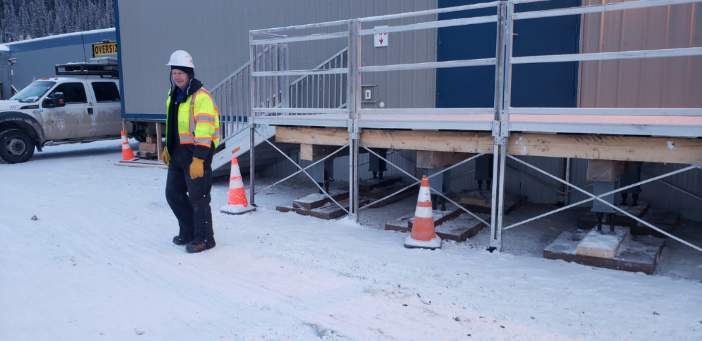
Modules ship in 24 hours. Pads do not. Site prep is almost always the critical path on a camp deployment, so here is the sequence we give buyers, in the order the work actually happens.
1. Site selection and geotech
- Confirm the site is outside the floodplain and above local drainage. A camp in a low spot is a camp with a spring problem.
- Order a geotechnical investigation early. You need bearing capacity, frost depth and soil classification before anyone designs a foundation.
- Check prevailing wind and set the dorm block upwind of the generator yard, the wastewater plant and any process facility.
- Verify legal access: road agreements, rail crossings, weight-restricted bridges and seasonal load restrictions on your haul route.
2. Permits, in parallel with everything
Start these the same week the site is selected:
- Building permit and modular unit registration with the state program.
- Stamped foundation and anchorage design by an engineer licensed in that state.
- Water rights or hauling contract, and wastewater discharge or treatment permit.
- Electrical service application with the utility. Utility interconnect is routinely the longest lead item on the whole project, often longer than the modules, the pad and the permits combined.
- Fire department review of access, hydrant or tank capacity and lane widths.
- Environmental clearances, including any wetland, cultural resource or endangered species review.
3. Earthwork and the pad
- Clear, grub and strip topsoil across the full camp footprint plus lay-down and crane areas.
- Build the pad to the geotech recommendation: compacted structural fill, commonly 8 to 12 inches of well-graded gravel over a stabilized subgrade.
- Achieve compaction with documented density testing. Differential settlement under a set module produces doors that will not close and marriage lines that leak.
- Grade to positive drainage away from the building block, typically 2% for the first ten feet, with perimeter ditching or french drains.
- Build the pad larger than the building footprint. You need crane outrigger positions, laydown, and space to walk equipment between rows.
4. Access and laydown
- Haul road built for loaded lowboys in wet conditions, with turning radii checked against a 90-foot combination and an escort route survey completed.
- A turnaround or pull-through loop. Backing 40 modules down a single-lane road adds days.
- Crane pad engineered for the ground bearing pressure of the crane you intend to use, not the one you hope is available.
- Laydown for corridor materials, roof and floor assembly materials, end walls, stairs and landings. These assembly materials are quoted separately from the modules and they arrive on their own trucks, so plan the space.
5. Utilities to the building line
- Water: well with tested yield, municipal tap, or a hauling contract with storage. Plan 50 to 80 gallons per person per day before kitchen and laundry, so 45,000 to 60,000 gallons a day for a full 550-bed camp. Include potable storage and a booster and pressure tank set.
- Wastewater: package treatment plant, lagoon or holding with haul-off. Permit lead time drives this choice more than cost does.
- Power: utility service or generator plant, with transfer capability. Budget 1.5 to 3 kW per occupied bed plus the kitchen service, and confirm winter heat and heat-trace loads separately.
- Fuel: propane or diesel tanks with the setbacks the fire code requires and a delivery route that stays passable in winter.
- Data: fiber, microwave or satellite with enough backhaul for 550 people streaming at 10 p.m. Wi-Fi is a retention item; underbuild it and you will hear about it every day.
- Stub all utilities to the mapped entry point of each module and pressure-test before the modules land on top of them.
6. Set sequence
- Survey and stake the building lines to the approved layout dimensions.
- Place footings, piers or cribbing per the stamped foundation design.
- Set modules in the planned sequence, usually farthest from the access road first, so you are never craning over a finished building.
- Level and shim each module, then verify diagonals before proceeding to the next.
- Complete marriage-line connections and weather sealing.
- Build corridors, roof, floor transitions and end walls from the assembly materials package.
- Tie in electrical, mechanical and plumbing; pressure and continuity test everything.
- Install stairs, landings, ramps and required accessible routes.
- Commission HVAC and life safety, then walk the punch list.
7. Before occupancy
- Local final inspection and certificate of occupancy.
- Fire and life safety commissioning: alarms, emergency lighting, extinguishers, exit signage.
- Kitchen health department inspection and equipment commissioning.
- Snow and ice management plan, including where plowed snow goes so it does not block egress.
- Camp rules, room assignment system, key control and a 24-hour contact for maintenance.
The realistic timeline
For a 550-bed camp on a greenfield site, plan on 10 to 16 weeks from site selection to occupancy, driven by permitting and utility interconnect rather than by the buildings. If your project needs beds faster, phase it: set and commission the first dorm block plus kitchen while the rest of the pad is still being built. The modules will be waiting. That is the part we can guarantee in 24 hours.
Next step
Get pricing on 404 new, unused beds
Send your headcount, site and timeline. You get purchase and lease pricing plus a camp layout, usually the same day.
- Response time
- Within 1 business day
- Ship lead time
- 24 hours